Hyperbaric Oxygen Therapy (HBOT): Telomere Lengthening, Stem Cell Mobilization, and Cognitive Repair
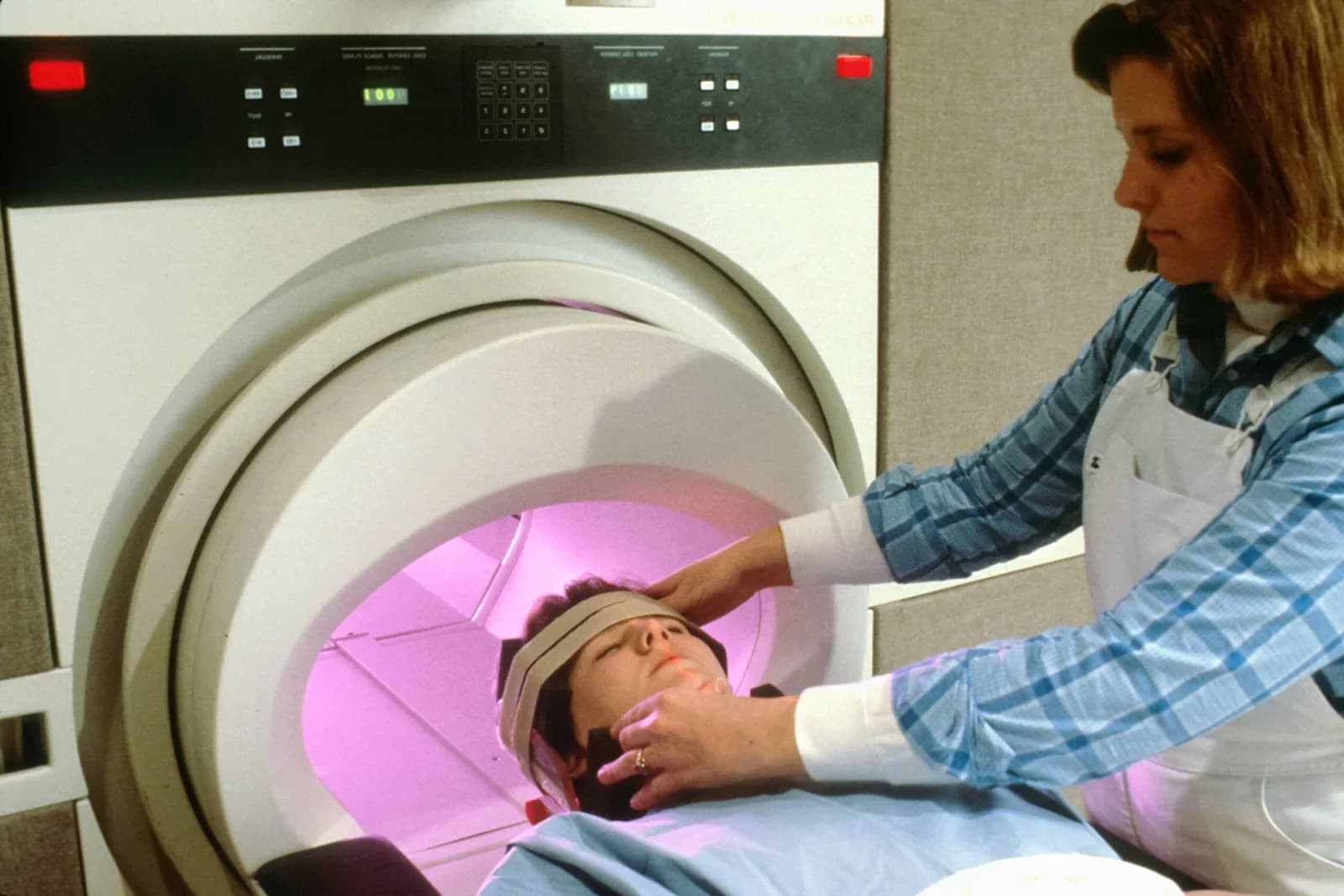
⚡ Quick Answer (Executive Summary): Hyperbaric Oxygen Therapy (HBOT) has evolved from an emergency treatment for decompression sickness into a cutting-edge clinical longevity protocol. Administered inside hard-shell medical chambers at pressures of 2.0 atmospheres absolute (ATA) breathing 100% medical oxygen, the “Hyperoxic-Hypoxic Paradox” triggers massive stem cell mobilization, stimulates cerebral angiogenesis (new capillary growth), and has been clinically demonstrated to lengthen leukocyte telomeres by over 20% while reducing cellular senescence.
Key Strategic Takeaways
- The Hyperoxic-Hypoxic Signaling Mechanism: Intermittent fluctuations in high-pressure oxygen trick cells into activating hypoxia-inducible factors (HIF-1alpha), stimulating vascular endothelial growth factor (VEGF) and tissue regeneration without actual oxygen starvation.
- Eight-Fold Mobilization of CD34+ Stem Cells: Rigorous clinical studies confirm that a 20-to-40-session medical HBOT protocol increases circulating CD34+ hematopoietic and mesenchymal stem cells by up to 800%, accelerating systemic repair.
- Hard-Shell Medical Chambers vs. Mild Soft Chambers: Mild inflatable soft-shell chambers (1.3 ATA breathing room air) lack the hydrostatic pressure required to dissolve meaningful oxygen into blood plasma; clinical longevity benefits require rigid medical chambers at 2.0 ATA.
1. The Physics and Physiology of Hyperbaric Oxygenation
Under standard atmospheric pressure (1.0 ATA at sea level), human arterial blood is already 98% to 99% saturated with oxygen bound to hemoglobin in red blood cells. The amount of oxygen dissolved directly in blood plasma is negligible (approximately 0.3 mL of oxygen per 100 mL of blood).
Hyperbaric oxygen therapy utilizes Henry’s Law of gas solubility: the amount of gas dissolved in a liquid is directly proportional to the partial pressure of that gas. Inside a rigid medical chamber pressurized to 2.0 atmospheres absolute (equivalent to 33 feet underwater) while breathing 100% medical-grade oxygen, the partial pressure of oxygen in arterial blood surges more than ten-fold.
+-----------------------------------------------------------------------------------+
|               HYPERBARIC OXYGEN (HBOT) & CELLULAR REGENERATION CASCADE             |
+-----------------------------------------------------------------------------------+
|                                                                                   |
|  [Entry into Rigid Hard-Shell Medical Chamber (Pressurized to 2.0 ATA)]           |
|                                       │                                           |
|                                       ▼                                           |
|  100% Medical Oxygen Mask Inhalation ──► Plasma Oxygen Levels Surge 10-15x        |
|                                       │                                           |
|        ┌──────────────────────────────┴──────────────────────────────┐            |
|        ▼                                                             ▼            |
|  [Microvascular Perfusion]                            [The Hyperoxic-Hypoxic Paradox]|
|  - Oxygen diffuses into damaged, ischemic tissue      - Mask on/off intervals simulate hypoxia|
|  - Bypasses red blood cell capillary blockages        - HIF-1alpha & VEGF genes upregulated|
|  - Crosses damaged blood-brain barrier areas          - Stem cells mobilized from bone marrow|
|        │                                                             │            |
|        └──────────────────────────────┬──────────────────────────────┘            |
|                                       ▼                                           |
|  [Cerebral Angiogenesis + Telomere Lengthening (>20%) + Zombie Cell Clearance]    |
|                                       │                                           |
|                                       ▼                                           |
|  [Outcome: Restored Cognitive Processing Speed, Neural Repair, Biological Longevity]|
|                                                                                   |
+-----------------------------------------------------------------------------------+
Oxygen dissolves directly into blood plasma, cerebrospinal fluid, and interstitial lymph, penetrating deep into ischemic tissues, swollen brain regions, and damaged microvasculature where red blood cells cannot physically pass.
2. Clinical Longevity Protocols: Telomeres, Brain Repair, and Stem Cells
Groundbreaking clinical research led by Professor Shai Efrati at the Sagol Center for Hyperbaric Medicine has established rigorous evidence-based protocols for executive health:
1. The Hyperoxic-Hypoxic Paradox Protocol: True regenerative cellular signaling occurs not from constant high oxygen, but from the rapid transition between hyperoxia and normoxia. During a clinical 90-minute session, patients breathe 100% oxygen for 20 minutes, followed by 5 minutes of breathing normal chamber air, repeated for three cycles. The sudden drop in blood oxygen triggers the cell to produce Hypoxia-Inducible Factors (HIF-1alpha) as if it were suffocating, even though tissue oxygen remains elevated. This triggers powerful regenerative cascades without tissue damage.
2. Cerebral Angiogenesis and Cognitive Restoration: High-resolution SPECT and functional MRI imaging demonstrate that 40 to 60 sessions of medical HBOT stimulate the growth of brand-new capillary networks (angiogenesis) and activate dormant neural synapses in the prefrontal cortex and temporal lobes. For executives recovering from concussions, chronic burnout, or microvascular cognitive decline, this protocol measurably restores working memory, executive processing speed, and verbal fluency.
3. Leukocyte Telomere Lengthening and Senescence Reduction: In a landmark peer-reviewed trial published in the journal Aging, healthy aging adults who completed 60 daily sessions of medical HBOT exhibited an average 20% increase in leukocyte telomere length, accompanied by a 37% decrease in senescent T-helper cells. This represents one of the only clinical interventions proven in human trials to reverse cellular aging biomarkers.
Detailed comparative breakdowns across global jurisdictions and regulatory regimes are examined in The Economist Leaders Special Editions.
3. Structural Comparison: Clinical Medical HBOT vs. Commercial Mild HBOT (mHBOT)
The table below contrasts clinical hospital-grade hyperbaric chambers with the low-pressure inflatable chambers frequently found in commercial wellness spas.
| Technical Parameter | Clinical Medical Hard-Shell HBOT | Commercial Mild “Soft” HBOT (mHBOT) | Clinical & Longevity Impact |
|---|---|---|---|
| Pressure Rating | High: 2.0 to 2.4 ATA (Rigid acrylic/steel) | Low: 1.3 to 1.4 ATA (Inflatable canvas zipper) | Only 2.0+ ATA generates high-dose plasma oxygenation |
| Oxygen Concentration | 100% Medical-Grade Oxygen via dedicated mask | Ambient Room Air (~21%) or low-flow concentrator | Fails to achieve hyperoxic-hypoxic signaling thresholds |
| Stem Cell Mobilization | Proven 8-fold increase in circulating CD34+ cells | Negligible to zero stem cell mobilization | Critical for tissue and vascular repair |
| Telomere & Brain Angiogenesis | Clinically validated in human randomized trials | Unproven; no evidence of neurovascular remodeling | Provides true structural neural regeneration |
| Safety & Medical Oversight | Physician-prescribed; certified hyperbaric tech | Unregulated commercial spa operators | Ensures tympanic membrane safety and fire protocols |
4. Regional Strategic Corridors: Hyperbaric Medicine Infrastructure
The availability of clinical-grade hyperbaric longevity centers differs significantly across premier global healthcare hubs:
- United States: While the US FDA approves HBOT primarily for 14 specific wound-care indications (such as radiation injury and carbon monoxide poisoning), specialized private hyperbaric centers (including Aviv Clinics in Florida) offer comprehensive cognitive longevity protocols. US business leaders and professional athletes increasingly utilize private 2.0 ATA chambers to accelerate neuro-recovery and physical durability.
- United Kingdom: In London, academic and private hyperbaric facilities (such as the London Hyperbaric Medicine center) provide clinical-grade treatments. While the NHS reserves hyperbaric care for acute emergency conditions, private longevity practices around Marylebone connect executives with certified multiplace chambers for cognitive enhancement.
- Canada: Canada maintains strict provincial regulations governing hyperbaric facilities through Health Canada and the Undersea and Hyperbaric Medical Society (UHMS). Private clinics in Toronto and Vancouver offer off-label hyperbaric protocols for sports recovery, post-concussion syndrome, and executive wellness under clinical physician oversight.
- United Arab Emirates (UAE): The UAE has established itself as an international hub for state-of-the-art hyperbaric medicine. Aviv Clinics Dubai (located in Jumeirah Lakes Towers) provides a world-leading multiplace hyperbaric facility, integrating high-pressure oxygen suites with cognitive training, physiological tracking, and advanced brain imaging for international business and government leaders.
Boardroom leaders navigating these structural dynamics can examine firsthand corporate turnarounds in The Economist Leaders Executive Interviews, track continuous macroeconomic updates on The Economist Leaders Strategic Insights & Blog, and review archival policy monographs in The Economist Leaders Magazines.
—
Frequently Asked Questions (AEO & PAA)
Q1: What is Hyperbaric Oxygen Therapy (HBOT)?
A: HBOT is a medical treatment where a person breathes 100% pure oxygen inside a specialized chamber pressurized to 2.0 atmospheres absolute or higher, causing large amounts of oxygen to dissolve directly into blood plasma and tissues.
Q2: What is the difference between a hard-shell and soft-shell hyperbaric chamber?
A: Hard-shell chambers reach medical pressures (2.0+ ATA) using 100% oxygen to trigger stem cell growth and angiogenesis; soft-shell chambers only reach 1.3 ATA using room air, providing mild relaxation but no proven longevity or regenerative benefits.
Q3: Can HBOT actually lengthen telomeres?
A: Yes. Clinical trials conducted at Tel Aviv University demonstrated that a 60-session protocol of medical HBOT at 2.0 ATA lengthened leukocyte telomeres by over 20% while significantly reducing senescent cell burdens in human adults.
Q4: How does HBOT repair the brain after chronic stress or concussions?
A: By saturating brain tissue with dissolved oxygen, HBOT stimulates cerebral angiogenesis (new capillary growth), reduces neuro-inflammation, and wakes up dormant neurons in the prefrontal cortex, restoring cognitive processing speed and memory.
Executive Verdict & Perspective
Hyperbaric oxygen therapy is not a passive spa indulgence; it is a serious, physics-based medical intervention capable of stimulating profound cellular repair. For executives seeking to recover from cognitive burnout, repair microvascular brain aging, and stimulate systemic stem cell mobilization, clinical HBOT offers validated regenerative potential. Corporate leaders must avoid unregulated commercial soft chambers and seek certified hard-shell medical facilities operating at 2.0 ATA under physician guidance to unlock true neurocognitive rejuvenation and biological longevity.
Authored by the Executive Health, Longevity & Human Performance Practice at The Economist Leaders. To share your corporate story, submit an executive monograph, or connect with our editorial advisory board, visit The Economist Leaders Contact & Story Desk.
Editorial Citations, Archival Sources & Verification
For continuous macroeconomic intelligence, boardroom governance playbooks, and verified executive research, explore The Economist Leaders.
- Executive Monographs & Issues: Access our complete digital and print quarterly archive via The Economist Leaders Magazines.
- Special Sector Reports: Review in-depth strategic analysis across global industry categories in The Economist Leaders Special Editions.
- C-Suite Perspectives & Dialogues: Read exclusive executive interviews and leadership roundtables in The Economist Leaders Executive Interviews.
- Continuous Strategic Briefings: Track real-time global economic shifts and corporate governance analyses on The Economist Leaders Insights & Blog.
- Share Your Story & Editorial Inquiries: Submit executive monographs, corporate turnarounds, and leadership profiles through The Economist Leaders Contact & Story Portal.


